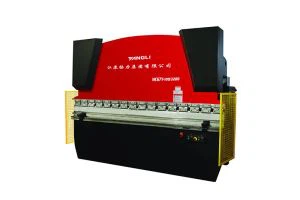
As a supplier of Single Crankshaft Power Presses, I've seen my fair share of electrical faults in these machines. Troubleshooting these issues can be a real headache, but with the right approach, you can get your press up and running again in no time. In this blog, I'll share some tips on how to troubleshoot electrical faults in a single crankshaft power press.


Understanding the Basics
Before you start troubleshooting, it's important to have a basic understanding of the electrical system in your power press. The electrical system in a single crankshaft power press typically includes a power supply, control panel, motor, and various sensors and switches. The power supply provides electricity to the press, while the control panel allows you to operate the machine. The motor drives the crankshaft, which in turn moves the ram up and down. The sensors and switches are used to monitor the operation of the press and to ensure that it is operating safely.
Common Electrical Faults
There are several common electrical faults that can occur in a single crankshaft power press. Some of the most common faults include:
- Power supply issues: This can include a blown fuse, a tripped circuit breaker, or a loose connection in the power supply.
- Control panel issues: This can include a malfunctioning switch, a faulty relay, or a problem with the control board.
- Motor issues: This can include a burned-out motor, a faulty motor starter, or a problem with the motor's wiring.
- Sensor and switch issues: This can include a malfunctioning sensor or switch, a broken wire, or a problem with the sensor's calibration.
Troubleshooting Steps
If you're experiencing an electrical fault in your single crankshaft power press, here are some troubleshooting steps you can take:
- Check the power supply: The first thing you should do is check the power supply to the press. Make sure that the power switch is turned on and that the circuit breaker or fuse has not tripped. If the power supply is working, check the voltage at the press using a multimeter.
- Inspect the control panel: Next, inspect the control panel for any visible signs of damage or wear. Check the switches, relays, and control board for loose connections or burnt components. If you find any problems, replace the damaged parts.
- Test the motor: If the power supply and control panel are working properly, the next step is to test the motor. Use a multimeter to check the resistance of the motor's windings. If the resistance is too high or too low, the motor may be damaged and needs to be replaced.
- Check the sensors and switches: Finally, check the sensors and switches in the press. Use a multimeter to test the continuity of the sensors and switches. If the continuity is not present, the sensor or switch may be faulty and needs to be replaced.
Specific Models and Their Features
We offer a range of single crankshaft power presses, each with its own unique features and capabilities. For example, the CP1 Series Fixed Table Power Press is designed for precision stamping and forming applications. It features a rigid frame, a high-speed crankshaft, and a precision ball screw for accurate ram movement.
The JH21 Series Fixed Table Power Press is another popular model. It is known for its high productivity and reliability. The JH21 series features a robust construction, a powerful motor, and a user-friendly control panel.
If you're in the new energy automotive industry, our Specially For New Energy Automotive Aluminium Battery Cover power press is the perfect solution. It is designed to meet the specific requirements of battery cover manufacturing, including high precision, high speed, and energy efficiency.
Tips for Preventing Electrical Faults
In addition to troubleshooting electrical faults, it's also important to take steps to prevent them from occurring in the first place. Here are some tips for preventing electrical faults in your single crankshaft power press:
- Perform regular maintenance: Regular maintenance is essential for keeping your power press in good working condition. This includes cleaning the machine, lubricating the moving parts, and checking the electrical connections.
- Use high-quality components: When replacing parts in your power press, make sure to use high-quality components. This will help to ensure that the machine operates safely and reliably.
- Train your operators: Make sure that your operators are properly trained on how to operate and maintain the power press. This will help to prevent operator error, which can lead to electrical faults.
Conclusion
Troubleshooting electrical faults in a single crankshaft power press can be a challenging task, but with the right approach, you can get your machine back up and running again in no time. By understanding the basics of the electrical system, knowing the common faults, and following the troubleshooting steps, you can diagnose and fix most electrical problems. And if you're in the market for a new single crankshaft power press, we offer a range of high-quality models to meet your needs.
If you're interested in learning more about our single crankshaft power presses or have any questions about troubleshooting electrical faults, please don't hesitate to contact us. We're here to help you find the right solution for your business.
References
- Electrical Engineering Handbook for Industrial Machinery
- Power Press Maintenance and Troubleshooting Guide