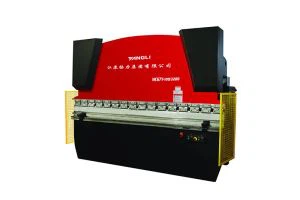
As a supplier of the CP1 Series Fixed Table Power Press, I often receive inquiries about the data transmission speed between our power press and a computer. In this blog, I'll delve into this topic, exploring the factors that influence data transmission speed, the typical speeds you can expect, and how this impacts the overall performance of the CP1 Series.
Understanding the CP1 Series Fixed Table Power Press
The CP1 Series Fixed Table Power Press is a high - performance machine designed for a variety of metal - forming applications. It combines precision engineering with advanced control systems, allowing for efficient and accurate operation. One of the key aspects of its modern design is the ability to communicate with a computer, enabling real - time monitoring, control, and data logging.
Factors Influencing Data Transmission Speed
1. Communication Interface
The type of communication interface used between the CP1 Series power press and the computer plays a crucial role in determining the data transmission speed. Common interfaces include Ethernet, USB, and RS - 232.
- Ethernet: Ethernet is a high - speed communication protocol that can support data transfer rates ranging from 10 Mbps (Megabits per second) in older 10BASE - T networks to 1 Gbps (Gigabits per second) or even 10 Gbps in more modern setups. When the CP1 Series is connected to a computer via Ethernet, it can quickly transmit large amounts of data, such as production statistics, machine status, and error messages.
- USB: Universal Serial Bus (USB) is another popular option. USB 2.0 has a maximum data transfer rate of 480 Mbps, while USB 3.0 and 3.1 can reach speeds of up to 5 Gbps and 10 Gbps respectively. USB connections are convenient for short - range communication and are often used for transferring configuration files or firmware updates to the power press.
- RS - 232: RS - 232 is an older serial communication protocol. It has relatively low data transfer rates, typically ranging from a few hundred bps (bits per second) to 115,200 bps. While it may not be suitable for high - speed data transmission, it is still used in some legacy systems or for simple control and monitoring tasks.
2. Data Volume and Complexity
The amount and complexity of data being transmitted also affect the speed. For example, if the CP1 Series is continuously sending high - resolution sensor data, such as pressure readings at a very high sampling rate, it will require a faster transmission speed. On the other hand, if the data consists only of simple status messages, such as "machine running" or "error detected," the transmission can be completed at a much lower speed.


3. Network Congestion
In an industrial environment, where multiple devices are connected to the same network, network congestion can significantly impact data transmission speed. If the network is overloaded with traffic from other machines, the CP1 Series may experience delays in sending or receiving data. This can be mitigated by using a dedicated network for the power press or by implementing network management techniques to prioritize its traffic.
Typical Data Transmission Speeds
The actual data transmission speed between the CP1 Series Fixed Table Power Press and a computer depends on the factors mentioned above. In most cases, when using an Ethernet connection, the data transmission speed can range from 10 Mbps to 100 Mbps. This is sufficient for most common applications, such as real - time monitoring of production parameters, remote control of the power press, and data logging for quality control purposes.
For example, if the power press is sending production data every few seconds, including the number of strokes, force applied, and part dimensions, an Ethernet connection with a speed of 100 Mbps can easily handle the data flow without any significant delays.
When using a USB connection, the speed can be even higher, especially with USB 3.0 or 3.1. This makes it ideal for tasks such as transferring large - scale production reports or performing firmware updates quickly.
Impact on Overall Performance
The data transmission speed between the CP1 Series power press and the computer has a direct impact on the overall performance of the system.
- Real - Time Monitoring and Control: A high data transmission speed allows for real - time monitoring of the power press. Operators can quickly access information about the machine's status, such as temperature, pressure, and vibration levels. This enables them to make immediate adjustments if necessary, improving the quality of the production process and reducing the risk of machine breakdowns.
- Data - Driven Decision Making: With fast data transmission, large amounts of production data can be collected and analyzed in a timely manner. This data can be used to identify trends, optimize production parameters, and improve overall efficiency. For example, by analyzing the force applied during each stroke, manufacturers can adjust the settings of the power press to reduce energy consumption and extend the lifespan of the tooling.
- Remote Operation and Maintenance: High - speed data transmission also enables remote operation and maintenance of the CP1 Series power press. Technicians can access the machine's control system from anywhere in the world, diagnose problems, and perform software updates without having to be physically present at the production site.
Comparison with Other Power Press Models
In comparison to other power press models, such as the SP1 Series Gantry Type Single Point Press with High Performance and the JH21 Series Fixed Table Power Press, the CP1 Series offers competitive data transmission speeds. While the specific speeds may vary depending on the configuration and communication interface used, the CP1 Series is designed to provide fast and reliable data transfer to support modern industrial applications.
Conclusion and Call to Action
In conclusion, the data transmission speed between the CP1 Series Fixed Table Power Press and a computer is influenced by multiple factors, including the communication interface, data volume, and network congestion. With the right setup, it can achieve speeds that meet the requirements of most industrial applications, providing real - time monitoring, data - driven decision making, and remote operation capabilities.
If you are interested in learning more about the CP1 Series Fixed Table Power Press or have any questions regarding its data transmission speed and other technical specifications, we invite you to start a procurement discussion. Contact us to explore how our power press can enhance your production process and meet your specific needs.
References
- Industrial Communication Protocols Handbook: A comprehensive guide on different communication interfaces used in industrial systems.
- Power Press Design and Operation Manual: Provides detailed information on the design and technical features of power presses, including data transmission capabilities.