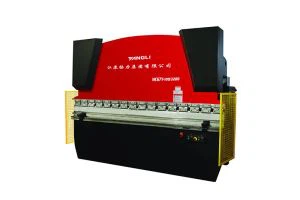
Hey there! As a supplier of sheet metal cutting machines, I often get asked about the environmental impacts of using these machines. It's a valid concern, especially in today's world where environmental sustainability is a hot topic. So, let's dive right in and explore this issue.
Energy Consumption
One of the most significant environmental impacts of using a sheet metal cutting machine is energy consumption. These machines typically run on electricity, and depending on their size and power, they can consume a substantial amount of energy. For instance, larger industrial - scale cutting machines might have high - powered motors that need a lot of juice to operate.
The electricity used by these machines often comes from power plants that burn fossil fuels like coal, natural gas, or oil. Burning these fossil fuels releases greenhouse gases such as carbon dioxide (CO₂), methane (CH₄), and nitrous oxide (N₂O) into the atmosphere. These gases trap heat, leading to global warming and climate change.
However, modern sheet metal cutting machines are becoming more energy - efficient. Manufacturers are constantly working on improving the design and technology of these machines to reduce their energy consumption. For example, some of our MS8 Series CNC Shearing Machine are equipped with advanced control systems that optimize the energy use during the cutting process. These systems can adjust the power output according to the workload, ensuring that the machine doesn't use more energy than necessary.
Noise Pollution
Another environmental impact is noise pollution. Sheet metal cutting machines can be quite noisy, especially when they are in operation. The loud noise can have negative effects on the environment and the people working around the machines. Prolonged exposure to high - level noise can cause hearing loss, stress, and other health problems for workers.


In addition, the noise can also disrupt the natural environment, affecting wildlife in the vicinity. For example, it can interfere with the communication and behavior of animals, which can have a cascading effect on the ecosystem. To mitigate this issue, we offer machines with noise - reducing features. Our QC12Y Series Hydraulic Shearing Machine is designed with noise - dampening materials and advanced mechanical structures to minimize the noise generated during operation.
Waste Generation
Sheet metal cutting machines generate waste in the form of metal scraps. When cutting sheet metal, there are always leftover pieces that are not used in the final product. These metal scraps can pile up quickly, especially in large - scale manufacturing operations.
If not properly managed, these metal scraps can end up in landfills, taking up valuable space and contributing to environmental degradation. However, metal is a recyclable material. We encourage our customers to recycle the metal scraps generated by our cutting machines. Recycling metal not only reduces the amount of waste going to landfills but also saves energy. It takes less energy to recycle metal than to produce new metal from raw materials.
Chemicals and Lubricants
Some sheet metal cutting machines use chemicals and lubricants during the cutting process. These chemicals and lubricants can have environmental impacts if not properly handled. For example, some lubricants may contain toxic substances that can contaminate soil and water if they leak or are disposed of improperly.
To address this issue, we recommend using environmentally - friendly lubricants. Our QC12K Series NC Hydraulic Shearing Machine is designed to work with a variety of eco - friendly lubricants, which can reduce the environmental impact of the cutting process.
Air Pollution
During the cutting process, especially when using certain cutting methods like plasma cutting, there can be air pollution. Plasma cutting generates fumes and particulate matter that can be harmful to human health and the environment. These fumes can contain heavy metals and other toxic substances.
To combat this, proper ventilation systems are essential. Our machines are often designed to be used in conjunction with effective ventilation systems that can capture and filter the fumes and particulate matter, reducing the amount of pollutants released into the air.
How We're Addressing These Issues
As a supplier of sheet metal cutting machines, we're committed to minimizing the environmental impacts of our products. We're constantly researching and developing new technologies to make our machines more energy - efficient, less noisy, and more environmentally friendly.
We also provide training and support to our customers on how to operate the machines in an environmentally responsible way. For example, we teach them how to properly manage the waste generated by the machines and how to choose the right lubricants.
Conclusion
In conclusion, while there are environmental impacts associated with using sheet metal cutting machines, there are also many ways to mitigate these impacts. By choosing energy - efficient machines, using eco - friendly lubricants, properly managing waste, and implementing effective ventilation systems, we can reduce the environmental footprint of sheet metal cutting operations.
If you're in the market for a sheet metal cutting machine and are concerned about the environmental impact, we're here to help. We can provide you with detailed information about the environmental features of our machines and how they can fit into your sustainable manufacturing practices. Contact us to start a conversation about your specific needs and how we can assist you in making an environmentally - conscious purchasing decision.
References
- "Environmental Impacts of Industrial Machinery" - Journal of Environmental Science and Technology
- "Sustainable Manufacturing Practices in the Metalworking Industry" - International Journal of Manufacturing Technology