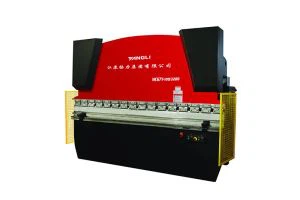
As a supplier of sheet metal bending machines, I've witnessed firsthand the pivotal role these machines play in the manufacturing industry. Production efficiency is a term that resonates deeply with every manufacturer, and understanding the production efficiency of a sheet metal bending machine is crucial for making informed decisions.
Understanding Production Efficiency in Sheet Metal Bending
Production efficiency in the context of a sheet metal bending machine refers to the ability of the machine to transform raw sheet metal into bent components with minimal waste, maximum speed, and high precision. It encompasses several key factors, including the machine's speed, accuracy, flexibility, and ease of use.
Speed
The speed of a sheet metal bending machine is a critical determinant of its production efficiency. A fast machine can complete more bending operations in a given time, increasing the overall output. Modern sheet metal bending machines are equipped with advanced hydraulic or electric drives that enable rapid movement of the bending tools. For example, our WC67Y Series Common Hydraulic Press Brake is designed to provide high-speed bending, reducing the cycle time and boosting productivity.
Accuracy
Accuracy is another vital aspect of production efficiency. A precise bending machine ensures that the bent components meet the required specifications, minimizing the need for rework. Our WC67K Series NC Press Brake utilizes advanced numerical control (NC) technology to achieve high accuracy in bending. The NC system allows for precise control of the bending angle, depth, and position, ensuring consistent and accurate results.
Flexibility
Flexibility is essential for adapting to different production requirements. A flexible sheet metal bending machine can handle a variety of sheet metal thicknesses, lengths, and bending angles. Our machines are designed with adjustable tooling and programmable settings, allowing for quick and easy changeovers between different bending operations. This flexibility enables manufacturers to produce a wide range of products with a single machine, increasing production efficiency and reducing costs.
Ease of Use
A user-friendly machine is easier to operate and maintain, reducing the training time and potential for errors. Our sheet metal bending machines are designed with intuitive controls and clear displays, making them easy to use even for operators with limited experience. Additionally, we provide comprehensive training and support to ensure that our customers can operate the machines effectively.
Factors Affecting Production Efficiency
Several factors can affect the production efficiency of a sheet metal bending machine. Understanding these factors is essential for optimizing the machine's performance and maximizing productivity.


Material Properties
The properties of the sheet metal, such as thickness, hardness, and ductility, can significantly impact the bending process. Thicker and harder materials require more force to bend, which can slow down the machine and increase the wear on the tools. Ductile materials, on the other hand, are easier to bend and can be processed more quickly. It is important to select the appropriate machine and tooling based on the material properties to ensure efficient bending.
Tooling Selection
The choice of tooling is crucial for achieving high production efficiency. Different types of bending tools, such as V-dies, U-dies, and hemming tools, are available for different bending applications. The selection of the right tooling depends on the material thickness, bending angle, and part geometry. Using the correct tooling can reduce the bending force, improve the quality of the bent components, and increase the machine's productivity.
Machine Maintenance
Regular maintenance is essential for ensuring the optimal performance of a sheet metal bending machine. Proper maintenance includes cleaning, lubrication, and inspection of the machine's components. Neglecting maintenance can lead to increased wear and tear, reduced accuracy, and decreased production efficiency. We recommend following the manufacturer's maintenance schedule and using genuine parts to ensure the long-term reliability of the machine.
Operator Skill
The skill and experience of the operator can also have a significant impact on the production efficiency of a sheet metal bending machine. A skilled operator can optimize the bending process, reduce the cycle time, and minimize the occurrence of errors. We provide comprehensive training to our customers' operators to ensure that they have the necessary skills and knowledge to operate the machines effectively.
Measuring Production Efficiency
Measuring the production efficiency of a sheet metal bending machine is essential for evaluating its performance and identifying areas for improvement. Several key performance indicators (KPIs) can be used to measure production efficiency, including:
Cycle Time
Cycle time is the time required to complete a single bending operation. It includes the time for loading the sheet metal, positioning the tools, bending the material, and unloading the finished component. A shorter cycle time indicates higher production efficiency.
Throughput
Throughput is the number of bent components produced per unit of time. It is calculated by dividing the total number of components produced by the total production time. A higher throughput indicates higher production efficiency.
Scrap Rate
Scrap rate is the percentage of defective components produced during the bending process. A lower scrap rate indicates higher production efficiency and better quality control.
Overall Equipment Effectiveness (OEE)
OEE is a comprehensive metric that measures the overall performance of a machine. It takes into account the availability, performance, and quality of the machine. A higher OEE indicates higher production efficiency.
Improving Production Efficiency
To improve the production efficiency of a sheet metal bending machine, several strategies can be implemented:
Optimize the Bending Process
By analyzing the bending process and identifying areas for improvement, such as reducing the number of setup changes and optimizing the tooling selection, the production efficiency can be significantly increased.
Upgrade the Machine
Upgrading the machine with the latest technology and features, such as advanced control systems and high-speed drives, can improve the machine's performance and productivity.
Implement Lean Manufacturing Principles
Lean manufacturing principles, such as just-in-time production and continuous improvement, can be applied to the sheet metal bending process to reduce waste, improve quality, and increase efficiency.
Train the Operators
Providing comprehensive training to the operators can improve their skills and knowledge, enabling them to operate the machine more effectively and efficiently.
Conclusion
The production efficiency of a sheet metal bending machine is a critical factor in the success of any manufacturing operation. By understanding the key factors that affect production efficiency, measuring the performance of the machine, and implementing strategies to improve it, manufacturers can increase their productivity, reduce costs, and improve the quality of their products. As a supplier of sheet metal bending machines, we are committed to providing our customers with high-quality machines and comprehensive support to help them achieve their production goals. If you are interested in learning more about our sheet metal bending machines or discussing your specific requirements, please feel free to contact us for a procurement consultation.
References
- ASME B31.3 Process Piping Code
- ISO 10218-1:2011 Robots and robotic devices -- Safety requirements for industrial robots
- DIN 6930-1:2010 Sheet metal bending - General tolerances