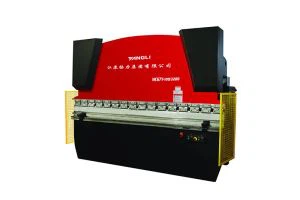
In today's fast - paced manufacturing landscape, the quest for efficiency and precision has led many industries to turn to automation. One of the key pieces of equipment in the metal - stamping and forming sectors is the high - speed press. As a high - speed press supplier, I am frequently asked a question: Can a high - speed press be automated? The answer is a resounding yes, and in this blog, we'll explore the possibilities, benefits, and challenges of automating high - speed presses.
The Feasibility of Automating High - Speed Presses
Automation in manufacturing is not a new concept. Over the years, technological advancements have made it increasingly possible to automate various processes, including those involving high - speed presses. High - speed presses are designed to perform rapid and repetitive stamping operations. With the right set of tools and technologies, these presses can be made part of an automated production line.
Robotic systems are one of the main enablers of high - speed press automation. These robots can be programmed to perform tasks such as loading raw materials into the press, unloading finished products, and even performing quality inspections. For example, industrial robots with advanced gripper systems can accurately pick up metal sheets and place them precisely in the press die, eliminating the need for manual intervention.
Another aspect of automation is the integration of sensors and control systems. Modern high - speed presses can be equipped with sensors that monitor various parameters such as temperature, pressure, and speed. These sensors send real - time data to the control system, which can then make adjustments as needed to ensure optimal performance. For instance, if the temperature of the press exceeds a certain limit, the control system can automatically reduce the speed or shut down the press to prevent damage.
Benefits of Automating High - Speed Presses
Increased Productivity
Automation significantly boosts the productivity of high - speed presses. Robots can work continuously without breaks, fatigue, or human error. They can operate at a much faster pace than human operators, resulting in a higher number of stamped parts produced per hour. This increased output can help manufacturers meet tight production deadlines and handle larger orders.
Improved Quality
Automated systems are highly precise. They can consistently position the raw materials in the press die, which reduces the likelihood of misaligned or defective parts. The sensors in the automated press can also detect any deviations from the set parameters and make immediate adjustments, ensuring that each part meets the required quality standards. For example, if a press is stamping automotive parts, automation can guarantee that every part has the exact same dimensions and specifications.
Enhanced Safety
High - speed presses can be dangerous machines. By automating the loading and unloading processes, human operators are kept away from the moving parts of the press, reducing the risk of accidents. Additionally, the control systems in automated presses can detect abnormal conditions and shut down the machine immediately, preventing potential hazards.
Cost Savings
Although the initial investment in automation technology can be significant, it can lead to long - term cost savings. Automated systems reduce the need for a large manual workforce, which can lower labor costs. They also improve the efficiency of the press, reducing energy consumption and minimizing waste due to fewer defective parts.
Challenges in Automating High - Speed Presses
Initial Investment
The cost of implementing an automated high - speed press system can be quite high. This includes the cost of purchasing robotic systems, sensors, control panels, and software, as well as the cost of installation and programming. Small and medium - sized manufacturers may find it difficult to justify such a large upfront investment.


Technical Complexity
Automating high - speed presses requires a high level of technical expertise. Programming the robots, integrating the sensors and control systems, and ensuring smooth communication between different components of the automated system can be challenging. Manufacturers may need to hire specialized technicians or work with automation experts to design and implement the system.
Maintenance and Upgrades
Automated high - speed press systems require regular maintenance to ensure their continued operation. The robotic components, sensors, and software need to be inspected, cleaned, and updated regularly. This adds an additional layer of complexity and cost to the manufacturing process.
Our High - Speed Press Offerings for Automation
As a high - speed press supplier, we offer a range of press models that are suitable for automation. Our JM31G Series Closed Type Single Point High Speed Press is a prime example. It is designed with high precision and reliability in mind, making it an ideal choice for automated production lines. The single - point design allows for strong and stable operation, and it can be easily integrated with robotic loading and unloading systems.
Our P2H Series Closed Type Double Point High Speed Press is another excellent option for automation. The double - point design provides even greater stability and accuracy, especially for larger and more complex stamping operations. It can handle high - volume production with ease and is well - suited for integration with advanced automation technologies.
For those looking for a more cost - effective and flexible solution, our JY21G Series Semi - closed High Speed Press is a great choice. It offers a good balance between performance and affordability and can be easily adapted to automated processes.
Conclusion and Call to Action
In conclusion, the automation of high - speed presses is not only possible but also offers numerous benefits in terms of productivity, quality, safety, and cost savings. While there are challenges to overcome, the long - term advantages make it a worthwhile investment for many manufacturers.
If you are interested in automating your high - speed press operations or learning more about our high - speed press products, we encourage you to reach out to us for a detailed discussion. We have a team of experts who can help you customize an automation solution that meets your specific needs and budget. Let's work together to take your manufacturing process to the next level.
References
Smith, J. (2020). Industrial Press Automation: Trends and Technologies. Manufacturing Today Journal.
Jones, A. (2019). The Impact of Automation on High - Speed Press Operations. Metal Stamping Review.
Brown, C. (2021). Best Practices for Automating High - Speed Presses. Manufacturing Automation Magazine.