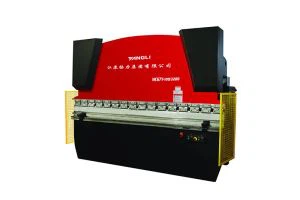
Hey there! As a supplier of semi - straight presses, I often get asked a bunch of questions about these machines. One question that comes up quite a bit is, "Can a semi - straight press be used in a high - humidity environment?" Well, let's dig into this topic and find out.
First off, let's understand what a semi - straight press is. We offer some great models like the JHY21/JFY21 Series Semi - straight Single Crankshaft Fixed Bed Press and the JY25/JHY25 Semi - closed Double Crank Press. These presses are used in a variety of industries for tasks like metal stamping, forming, and more. They're pretty powerful and reliable machines, but the high - humidity environment is a whole different ballgame.
Effects of High Humidity on Semi - Straight Presses
High humidity can have several negative impacts on semi - straight presses. One of the most obvious problems is corrosion. When there's a lot of moisture in the air, the metal parts of the press are at risk of rusting. Rust can eat away at the structural integrity of the machine, making it weaker over time. For example, the crankshaft, which is a crucial component in a semi - straight press, could develop rust spots. These spots can cause uneven wear and tear, leading to vibrations during operation and potentially damaging other parts of the press.
Another issue is electrical problems. Moisture can seep into the electrical components of the press, such as the control panels and wiring. This can lead to short - circuits, malfunctions, and even electrical fires in extreme cases. The sensors and switches that are used to control the press's operation may also be affected. They might give false readings or stop working altogether, which can disrupt the production process and cause safety hazards.
The lubrication system of the press can also be affected by high humidity. Lubricants are essential for reducing friction between moving parts and ensuring smooth operation. However, moisture can mix with the lubricant, diluting it and reducing its effectiveness. This can lead to increased wear on the bearings, gears, and other moving parts, shortening their lifespan and increasing the need for maintenance.
How to Mitigate the Effects of High Humidity
So, does this mean that semi - straight presses can't be used in high - humidity environments? Not necessarily. There are several steps that can be taken to mitigate the negative effects of high humidity.
1. Corrosion Prevention
One of the most effective ways to prevent corrosion is to use corrosion - resistant materials in the construction of the press. For example, some parts can be made from stainless steel or coated with anti - rust paints. Regular cleaning and maintenance are also crucial. The press should be wiped down regularly to remove any moisture and dirt. Applying a protective coating or lubricant to the metal parts can also help to prevent rust from forming.
2. Moisture Control
Installing a dehumidifier in the area where the press is located can help to reduce the humidity levels. Dehumidifiers work by removing moisture from the air, creating a drier environment for the press. It's important to monitor the humidity levels regularly and adjust the dehumidifier settings as needed. Additionally, proper ventilation can also help to reduce humidity. Ensuring that the area has good air circulation can prevent moisture from building up around the press.
3. Electrical Protection
To protect the electrical components from moisture, they can be enclosed in waterproof or moisture - resistant enclosures. These enclosures can prevent moisture from getting in and causing damage. Regular inspections of the electrical system should also be carried out to check for any signs of moisture or damage. Any damaged wiring or components should be replaced immediately.
4. Lubrication Management
Using high - quality lubricants that are resistant to water can help to maintain the effectiveness of the lubrication system. Regularly checking the lubricant levels and changing the lubricant at the recommended intervals can also ensure that the moving parts are properly lubricated. Additionally, the lubrication system should be designed to prevent moisture from entering.
Case Studies
Let's take a look at a couple of case studies to see how semi - straight presses have fared in high - humidity environments.


A manufacturing company in a coastal area was using a semi - straight press in a workshop with high humidity levels. They didn't take any preventive measures at first, and within a few months, they started noticing rust on the press's frame and some electrical malfunctions. The production was disrupted, and they had to spend a significant amount of money on repairs. After that, they installed a dehumidifier, applied anti - rust coatings to the metal parts, and started regular maintenance. Since then, the press has been operating smoothly, and the production has been back on track.
Another company in a tropical region was using a semi - straight press in a poorly ventilated area. The humidity levels were extremely high, and the lubrication system was severely affected. The moving parts were wearing out quickly, and the press was making a lot of noise during operation. They decided to upgrade the lubrication system to a water - resistant one and improve the ventilation in the area. These changes helped to reduce the wear on the moving parts and improve the overall performance of the press.
Conclusion
In conclusion, while high humidity can pose significant challenges to semi - straight presses, it's still possible to use them in such environments with the right preventive measures. By taking steps to prevent corrosion, control moisture, protect the electrical components, and manage the lubrication system, the negative effects of high humidity can be minimized.
If you're considering using a semi - straight press in a high - humidity environment, don't hesitate to reach out to us. We're here to help you choose the right press for your needs and provide you with the support and advice you need to keep it running smoothly. Whether it's the JHY21/JFY21 Series Semi - straight Single Crankshaft Fixed Bed Press or the JY25/JHY25 Semi - closed Double Crank Press, we've got you covered. Contact us today to start the procurement process and get your production up and running in the best possible way.
References
- "Industrial Machinery and Corrosion Prevention" - A technical guide on preventing corrosion in industrial equipment.
- "Electrical Safety in High - Humidity Environments" - A report on the effects of humidity on electrical systems.
- "Lubrication in High - Humidity Conditions" - Research on the impact of humidity on lubrication systems.