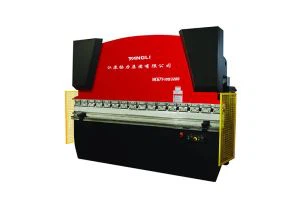
Hey there! As a supplier of single crankshaft power presses, I've seen firsthand how crucial punching accuracy is in the manufacturing world. In this blog, I'm gonna dig into the factors that can affect the punching accuracy of these machines.
1. Machine Design and Construction
The design and construction of a single crankshaft power press lay the foundation for its punching accuracy. High - quality materials and precise machining are essential.


- Frame Rigidity: A press with a rigid frame can minimize deflection during the punching process. When the frame flexes due to the punching force, it can cause the punching tool to deviate from its intended path, resulting in inaccurate holes. For example, our SP1 Series Gantry Type Single Point Press with High Performance is designed with a robust frame that provides excellent rigidity, ensuring stable punching operations.
- Crankshaft and Connecting Rod Precision: The crankshaft and connecting rods are key components in converting rotary motion into linear punching motion. Any manufacturing errors, such as misalignment or out - of - roundness, can lead to irregular punching strokes. Tight tolerances in the machining of these parts are crucial for maintaining accuracy.
2. Tooling Quality
The punching tool itself has a significant impact on accuracy.
- Tool Sharpness: A sharp punching tool cuts through the material cleanly, leaving a precise hole. Dull tools, on the other hand, tend to tear or deform the material around the hole, leading to inaccurate hole sizes and poor surface finish. Regular tool maintenance, including sharpening and replacement, is necessary to keep the punching accuracy at a high level.
- Tool Alignment: Proper alignment of the punching tool with the die is critical. Misaligned tools can cause holes to be off - center or non - circular. Our customers using our JM31 Series Gantry Type Single Point Press with High Performance are often provided with detailed guidance on tool setup and alignment to ensure optimal punching results.
3. Material Characteristics
The properties of the material being punched play a vital role in punching accuracy.
- Material Thickness: Thicker materials generally require more force to punch, and this can put additional stress on the press and the tooling. If the press is not properly designed to handle the thickness, it may lead to increased deflection and inaccurate punching. For instance, when punching thick aluminum sheets for Specially For New Energy Automotive Aluminium Battery Cover, the press needs to be carefully calibrated to ensure accurate hole sizes.
- Material Hardness and Ductility: Harder materials are more difficult to punch and may require higher punching forces and sharper tools. Ductile materials, on the other hand, can stretch during the punching process, which may affect the final hole dimensions. Understanding the material's properties and adjusting the punching parameters accordingly is essential.
4. Operating Conditions
The environment in which the press operates can also influence punching accuracy.
- Temperature and Humidity: Extreme temperatures and high humidity levels can cause the metal components of the press and the tooling to expand or contract. This dimensional change can lead to misalignment and inaccurate punching. Maintaining a stable operating environment is important for consistent punching accuracy.
- Vibration and Noise: Excessive vibration and noise can indicate problems with the press, such as loose components or improper balance. These issues can affect the punching accuracy and also lead to premature wear and tear of the machine. Regular inspections and proper maintenance can help minimize vibration and ensure smooth operation.
5. Operator Skill and Training
The person operating the single crankshaft power press plays a crucial role in achieving high punching accuracy.
- Setup and Calibration: An experienced operator knows how to properly set up the press, including adjusting the punching force, stroke length, and tooling alignment. Incorrect setup can result in inaccurate punching right from the start.
- Monitoring and Adjustment: During operation, the operator needs to monitor the punching process closely. They should be able to detect any signs of inaccurate punching, such as inconsistent hole sizes or poor surface finish, and make the necessary adjustments promptly.
6. Maintenance and Lubrication
Regular maintenance and proper lubrication are essential for keeping the press in good working condition and ensuring punching accuracy.
- Lubrication: Adequate lubrication of the moving parts, such as the crankshaft, connecting rods, and slide guides, reduces friction and wear. This helps to maintain smooth and accurate motion during the punching process. Neglecting lubrication can lead to increased friction, which may cause the parts to heat up and expand, affecting the punching accuracy.
- Component Inspection and Replacement: Regular inspection of the press components, such as the belts, gears, and bearings, can help identify any worn or damaged parts. Replacing these parts in a timely manner can prevent further damage to the machine and ensure consistent punching accuracy.
In conclusion, the punching accuracy of a single crankshaft power press is affected by multiple factors, including machine design, tooling quality, material characteristics, operating conditions, operator skill, and maintenance. As a supplier, we strive to provide high - quality presses and offer comprehensive support to our customers to help them achieve the best punching results.
If you're in the market for a single crankshaft power press or looking to improve the punching accuracy of your existing equipment, don't hesitate to reach out. We're here to discuss your specific needs and provide you with the right solutions. Let's work together to take your manufacturing operations to the next level!
References
- Machinery's Handbook, 31st Edition
- Metal Forming Handbook: Processes and Applications