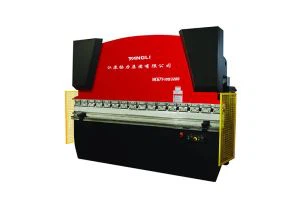
Hey there! As a supplier of high-speed presses, I often get asked about the differences between high-speed presses with fixed beds and those with movable beds. So, I thought I'd break it down for you in this blog post.
The Basics of High-Speed Presses
First off, let's quickly go over what high-speed presses are. These machines are used in metal stamping and forming operations, and they can perform a large number of strokes per minute. They're crucial in industries like automotive, electronics, and appliances, where mass production of precision parts is key.


Fixed Bed High-Speed Presses
A fixed bed high-speed press is, well, exactly what it sounds like. The bed of the press, which is the flat surface where the die is mounted, is stationary. It doesn't move during the stamping process.
Advantages
- Stability: One of the biggest perks of a fixed bed press is its stability. Since the bed doesn't move, there's less vibration and more consistent force distribution during the stamping process. This means you can achieve higher precision and better quality parts. For example, in the production of small, intricate electronic components, the stability of a fixed bed press ensures that each part is stamped with the exact same dimensions.
- Simpler Design: Fixed bed presses generally have a simpler design compared to their movable bed counterparts. This translates to lower maintenance costs and fewer potential points of failure. If you're running a high-volume production line, having a machine that's easy to maintain and repair can save you a lot of time and money in the long run.
- Cost-Effective: These presses are often more affordable upfront. If you're on a tight budget or just starting out in the stamping business, a fixed bed high-speed press can be a great option.
Disadvantages
- Limited Flexibility: The main drawback of a fixed bed press is its lack of flexibility. Once the die is set up on the bed, it's not easy to make adjustments or change the stamping operation. This can be a problem if you need to produce a variety of different parts or if you frequently need to change the die.
- Accessibility: Accessing the die area can be a bit more difficult on a fixed bed press. Since the bed is stationary, you may need to use special tools or equipment to reach certain parts of the die for maintenance or setup.
Movable Bed High-Speed Presses
Now, let's talk about movable bed high-speed presses. In these machines, the bed can move in one or more directions, usually horizontally or vertically.
Advantages
- Flexibility: The biggest advantage of a movable bed press is its flexibility. You can easily adjust the position of the bed to accommodate different dies or to perform different stamping operations. This makes it ideal for producing a wide range of parts with different shapes and sizes. For example, if you're working on a project that requires multiple stamping operations on the same part, a movable bed press can make the process much more efficient.
- Improved Accessibility: With a movable bed, it's easier to access the die area for setup, maintenance, and cleaning. You can move the bed to a more convenient position, which can save you time and effort.
- Enhanced Productivity: In some cases, a movable bed press can increase productivity. By being able to quickly change the position of the bed, you can reduce the setup time between different stamping operations. This means you can produce more parts in less time.
Disadvantages
- Higher Cost: Movable bed presses are generally more expensive than fixed bed presses. The additional components and mechanisms required to make the bed move add to the overall cost of the machine.
- Complexity: These presses are more complex in design, which means they require more maintenance and are more prone to breakdowns. You'll need to have a skilled maintenance team on hand to keep the machine running smoothly.
- Vibration and Precision: Since the bed is moving during the stamping process, there's a greater chance of vibration, which can affect the precision of the parts. While modern movable bed presses are designed to minimize vibration, it's still something to keep in mind.
Real-World Applications
Let's take a look at some real-world applications of fixed and movable bed high-speed presses.
Fixed Bed Presses
- Electronics Industry: As mentioned earlier, fixed bed presses are great for producing small, precision electronic components like connectors, switches, and integrated circuit packages. The stability of the press ensures that each component is stamped with high accuracy.
- Appliance Manufacturing: In the appliance industry, fixed bed presses are used to produce parts like refrigerator shelves, oven racks, and dishwasher components. These parts often require consistent quality and precision, which a fixed bed press can provide.
Movable Bed Presses
- Automotive Industry: The automotive industry often uses movable bed presses for producing large, complex parts like car body panels, engine components, and suspension parts. The flexibility of the movable bed allows for the production of parts with different shapes and sizes, and the ability to quickly change the stamping operation makes it suitable for high-volume production.
- Aerospace Industry: In the aerospace industry, movable bed presses are used to produce parts like aircraft wings, fuselage sections, and engine mounts. These parts require high precision and the ability to handle different materials, and a movable bed press can meet these requirements.
Our Product Offerings
At our company, we offer a range of high-speed presses to meet the needs of different industries. For those looking for a fixed bed press, we recommend checking out our P2H Series Closed Type Double Point High Speed Press. This press offers high stability and precision, making it ideal for producing high-quality parts.
If you need a more flexible option, our JM31G Series Closed Type Single Point High Speed Press with a movable bed is a great choice. It provides the flexibility you need to produce a variety of parts efficiently.
And for those on a budget or looking for a semi-closed option, our JY21G Series Semi-closed High Speed Press is a cost-effective solution that still offers good performance.
Conclusion
So, there you have it! The main differences between high-speed presses with fixed beds and movable beds. Each type of press has its own advantages and disadvantages, and the right choice for you will depend on your specific needs and requirements. If you're still not sure which press is right for your business, don't hesitate to reach out to us. We're here to help you make the best decision and find the perfect high-speed press for your production line. Whether you're a small shop looking to expand or a large corporation in need of high-volume production, we've got the solution for you. Contact us today to start the procurement process and take your stamping operations to the next level!
References
- Metal Stamping Handbook
- High-Speed Press Technology Guide