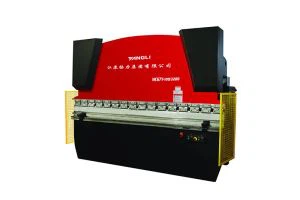
Hey there! As a supplier of the HFP/HGP Series Forging Press, I'm often asked about the forging loading and unloading method of these bad - boys. So, let's dive right in and break it down.

First off, what are the HFP/HGP Series Forging Presses? They're top - notch machines in the forging industry. If you want to know more about them, you can check out this link: HFP/HGP Series Forging Press. These presses are designed for precision forging, and understanding the proper loading and unloading methods is crucial for getting the most out of them.
Loading Methods
Manual Loading
Sometimes, old - school methods still work best. Manual loading is pretty self - explanatory. A worker uses tools like tongs to pick up the raw material, usually a heated billet. For smaller forgings and in cases where flexibility is needed, this method can be really handy. You can easily adjust the position of the billet as you place it into the die of the press.
However, manual loading also has its drawbacks. First of all, it's time - consuming. A worker has to carefully position the billet, which slows down the production process. There's also a risk of injury. Handling hot billets is no joke, and the high - pressure environment around the forging press adds to the danger.
Mechanical Loading
For high - volume production, mechanical loading is the way to go. There are different types of mechanical loading systems that you can pair with the HFP/HGP Series Forging Press.
One common type is the robotic loader. Robots can work 24/7 without getting tired, which is a huge advantage. They're extremely precise in terms of positioning the billet in the die. You can program them to pick up the billet from a specific location, rotate it if needed, and place it exactly where it needs to be in the press. This precision leads to better - quality forgings and less material waste.
Another mechanical option is the conveyor - based loader. In this setup, the heated billets are placed on a conveyor belt. The belt moves the billets towards the press, and then a mechanism picks them up and loads them into the die. The advantage of a conveyor system is its simplicity and cost - effectiveness. It can handle a large number of billets continuously, keeping the production line running smoothly.
Unloading Methods
Manual Unloading
Just like with loading, manual unloading involves a worker using tools to remove the finished forging from the press. This method is suitable for situations where you need to visually inspect each part right after forging. If you're making custom or small - batch forgings, manual unloading allows for some immediate quality control.
But again, manual unloading has its problems. It's slow, and it exposes the worker to potential hazards. The forging is still hot after the process, and there's always a risk of burns or injuries from the press itself.
Mechanical Unloading
Robots are also great for unloading. After the forging process is complete, the robot can quickly and safely remove the finished part from the die. This not only speeds up the production cycle but also reduces the risk of human error and injury.
There are also ejection systems built into some HFP/HGP Series Forging Presses. These systems use mechanical or hydraulic forces to push the forging out of the die once the press cycle is over. Ejection systems are simple and reliable. They can work in conjunction with other unloading mechanisms, such as a conveyor that takes the finished forgings away for further processing or inspection.
Factors Influencing Loading and Unloading Methods
Production Volume
If you're producing a large number of forgings every day, mechanical loading and unloading methods are almost a necessity. Robots and conveyor systems can keep the production line running at a high speed, ensuring that you meet your production targets. On the other hand, if you're making just a few forgings at a time, manual methods might be more cost - effective in the short term.
Forging Complexity
Complex forgings may require more precise positioning during loading and careful handling during unloading. In such cases, a robotic system might be the best choice. Robots can be programmed to handle complex geometries and ensure that the forging process is carried out accurately.
Safety
Safety should always be a top priority. Mechanical loading and unloading methods significantly reduce the risk of worker injuries. The high - pressure and high - temperature environment around the forging press can be extremely dangerous, and using automated systems helps keep workers out of harm's way.
Tips for Optimal Loading and Unloading
Maintain Your Equipment
Regular maintenance of your loading and unloading equipment is crucial. Whether it's a robot, a conveyor, or an ejection system, making sure everything is in good working condition will prevent breakdowns and improve the overall efficiency of your forging process.
Train Your Workers
Even if you're using mechanical systems, your workers still need to know how to operate and monitor them. Proper training will ensure that they can handle any issues that arise during the loading and unloading process.
Monitor the Process
Keep an eye on the loading and unloading process to identify any potential problems early on. Check for things like misalignment of billets, improper handling of forgings, or any signs of wear and tear on the equipment.
In conclusion, the forging loading and unloading methods of the HFP/HGP Series Forging Press can vary depending on your production needs, the complexity of your forgings, and safety concerns. Whether you choose manual or mechanical methods, or a combination of both, the key is to find the approach that works best for your business.
If you're interested in learning more about the HFP/HGP Series Forging Press or want to discuss your forging needs, don't hesitate to reach out. We're here to help you make the most of these amazing machines and take your forging production to the next level.
References
- Industry standards and guidelines for forging press operations
- Manufacturer's manuals for HFP/HGP Series Forging Press