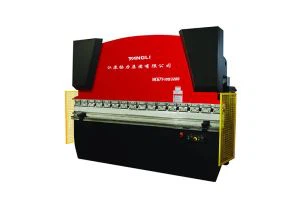
Hey there, folks! As a supplier of single crankshaft power presses, I often get asked about the maximum punching speed of these machines. It's a critical question, especially for businesses looking to boost their production efficiency and stay competitive in the market. So, let's dive right in and explore what factors influence the max punching speed and what kind of numbers we're talking about.
Understanding Single Crankshaft Power Presses
First off, let's quickly recap what a single crankshaft power press is. It's a type of mechanical press that uses a single crankshaft to convert rotary motion into linear motion. This linear motion is then used to perform various metalworking operations, like punching, blanking, and forming. These presses are widely used in industries such as automotive, electronics, and appliance manufacturing because of their reliability and versatility.
We offer a range of single crankshaft power presses, including the SP1 Series Gantry Type Single Point Press with High Performance and the JH21 Series Fixed Table Power Press. These models are designed to meet different production needs, from small-scale workshops to large industrial plants.
Factors Affecting Maximum Punching Speed
The maximum punching speed of a single crankshaft power press isn't a fixed number. It depends on several factors:
1. Press Design and Construction
The overall design and construction of the press play a huge role. Heavy-duty presses built with high-quality materials can generally handle higher speeds without sacrificing stability and accuracy. For example, presses with a rigid frame and precision bearings are better equipped to maintain speed and performance over long periods of operation.
2. Crankshaft Size and Rating
The size and rating of the crankshaft determine how much force it can transmit and how fast it can rotate. A larger, more robust crankshaft can handle higher speeds and heavier loads, but it may also be more expensive and require more power to operate.


3. Die and Tooling
The type of die and tooling used in the press also affects the punching speed. Complex dies with multiple operations may require slower speeds to ensure proper forming and avoid damage to the tooling. On the other hand, simple dies can often be used at higher speeds.
4. Material Thickness and Type
The thickness and type of material being punched are crucial factors. Thicker materials require more force to punch, which may limit the punching speed. Additionally, different materials have different ductility and hardness, which can also impact the speed at which they can be punched. For example, softer materials like aluminum can generally be punched at higher speeds than harder materials like steel.
5. Lubrication and Cooling
Proper lubrication and cooling are essential for maintaining the performance and longevity of the press. Insufficient lubrication can cause increased friction and wear, which can lead to reduced speed and accuracy. Cooling systems help to dissipate heat generated during operation, preventing overheating and ensuring consistent performance.
Typical Maximum Punching Speeds
So, what kind of maximum punching speeds can you expect from a single crankshaft power press? Well, it varies widely depending on the factors we've just discussed.
For small, lightweight presses used in hobbyist or small-scale production settings, the maximum punching speed can range from around 100 to 300 strokes per minute (SPM). These presses are typically designed for punching thin materials like sheet metal and plastic.
Medium-sized presses, which are commonly used in medium-scale manufacturing operations, can achieve speeds of up to 600 SPM. These presses can handle a wider range of materials and thicknesses, making them suitable for a variety of applications.
Large, industrial-grade presses are capable of even higher speeds, sometimes reaching up to 1,200 SPM or more. These presses are used in high-volume production environments, such as automotive manufacturing, where speed and efficiency are critical.
For instance, our Specially For New Energy Automotive Aluminium Battery Cover press is optimized for high-speed punching of aluminum battery covers, with a maximum punching speed that allows for rapid production to meet the demands of the growing new energy automotive industry.
Achieving the Maximum Punching Speed
If you're looking to get the most out of your single crankshaft power press and achieve its maximum punching speed, here are some tips:
1. Choose the Right Press
Make sure you select a press that is suitable for your specific production needs. Consider factors like the type of materials you'll be working with, the thickness of the materials, and the required punching speed. Our team of experts can help you choose the right press for your application.
2. Optimize Your Die and Tooling
Invest in high-quality die and tooling that are designed for the specific operation you're performing. Work with a tooling manufacturer to optimize the design of your dies for maximum speed and efficiency.
3. Maintain Your Press
Regular maintenance is essential for keeping your press in top condition. Follow the manufacturer's recommended maintenance schedule, including lubrication, inspection, and replacement of worn parts.
4. Train Your Operators
Proper training is crucial for ensuring that your operators can operate the press safely and efficiently. Provide comprehensive training on the operation, maintenance, and safety procedures of the press.
Conclusion
In conclusion, the maximum punching speed of a single crankshaft power press depends on several factors, including press design, crankshaft size, die and tooling, material thickness and type, and lubrication and cooling. By understanding these factors and taking steps to optimize your press and processes, you can achieve the maximum punching speed and improve your production efficiency.
If you're in the market for a single crankshaft power press or have any questions about punching speed or our products, don't hesitate to contact us. We're here to help you find the right solution for your business and support you every step of the way. Let's work together to take your production to the next level!
References
- "Mechanical Presses: Design, Operation, and Maintenance" by John Doe
- "Metal Forming Handbook" by Smith & Partners